
#TheContext
Navigating the Next Frontier: Why Continuation Vehicles are the Key to Unlocking Value in India's VC Ecosystem
Sunil K. Goyal
The Indian venture capital landscape has undergone a remarkable transformation, evolving into a globally respected market. From approximately US$ 400 mn in 2012- 13, the overall VC funding in India has soared to US$ 13.7 bn in 20241 . This quantum growth signals a maturing ecosystem that is no longer just about seed-stage bets, but also about supporting companies through their full lifecycle. As the market matures, the need for innovative financial tools to manage assets – especially when traditional exit routes like IPOs and M&As are slow – becomes more critical.
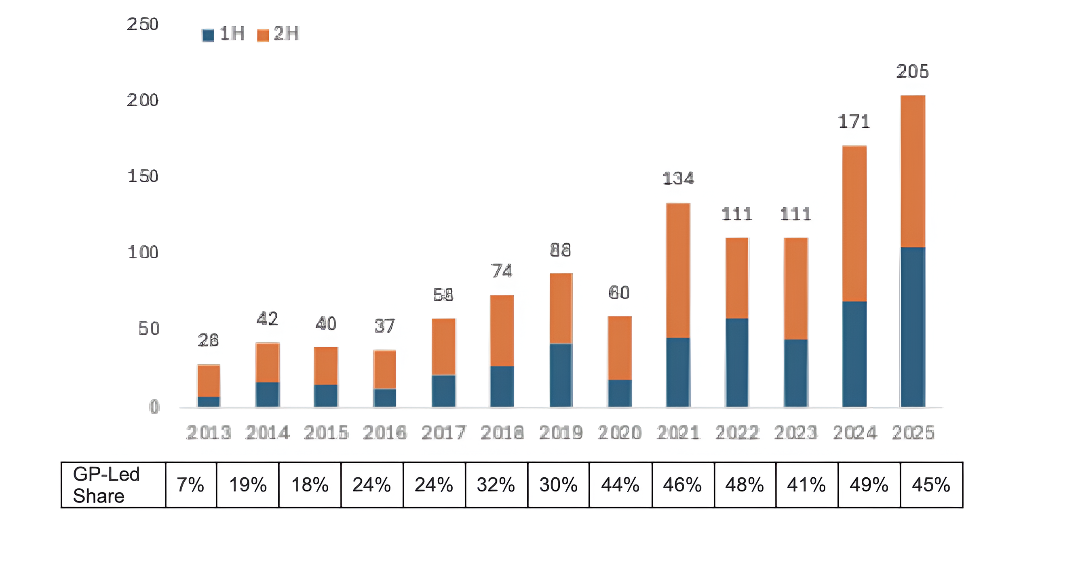
This is where secondaries tools such as Continuation Vehicles (CVs) play the role of a game-changer. A CV is a hybrid structure that transfers high-performing assets from an older, fixed-term fund into a new vehicle with a fresh term. This strategic approach prevents ‘fire sales’ or forced exits that can happen when a fund reaches its term limit, which often leads to assets being sold at a sub-optimal valuation. CVs are a globally accepted solution that provide liquidity options for investors, and ensures the continued nurturing of promising startups and their committed founders. The global trend is clear: in 2024, GP-led secondary transactions reached an impressive US$ 84 bn, with CVs accounting for approximately 80% of this total2 . This trend continues with 2025 being another pivotal year in the global secondaries market. H1 2025 broke the record with the highest volume ever recorded in the history of secondaries.
Historical Secondary Volume and Composition (US$ bn)
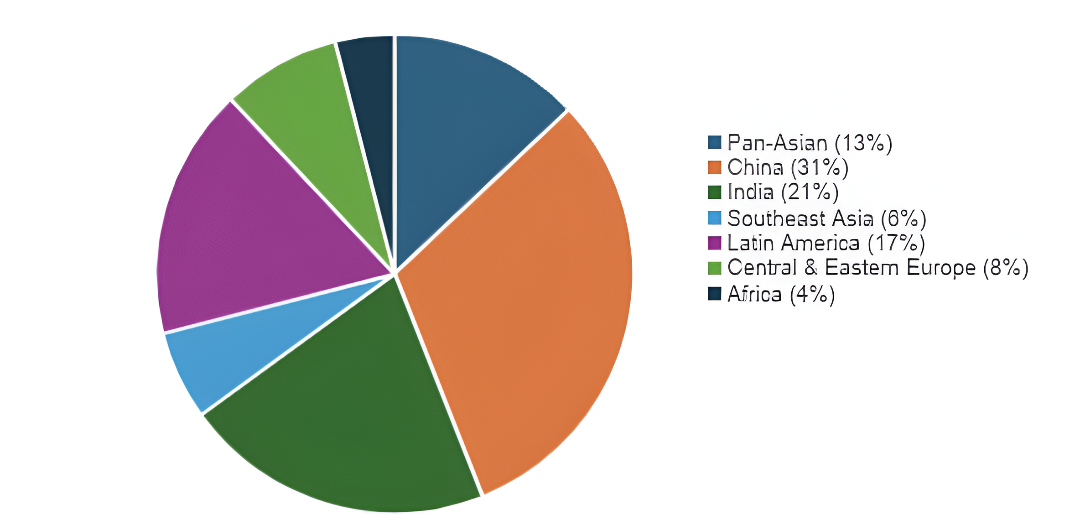
Accounting for 21% of completed continuation vehicles in emerging markets, India has seen the second-highest number of these funds among other emerging market countries from 2020 to H1 2025.
CV fundraising by geography (2020 to 1H 2025)
This growing adoption of CVs in India is not just a passing trend, but it is critical for the ecosystem's long-term health and sustainability. They offer a host of advantages that benefit all key stakeholders – Limited Partners (LPs), founders and General Partners (GPs).
Key Advantages of Continuation Vehicles
1. Driving Domestic Capital & Liquidity: A sustainable Indian venture ecosystem requires a deep domestic pool of capital. CVs play a crucial role by facilitating capital recycling. They provide LPs with a clear and immediate liquidity path, allowing them to realise returns on their investments. This is particularly important for attracting and retaining domestic institutional LPs, who need to demonstrate cash exits to their own stakeholders. By offering a legitimate exit route, CVs encourage greater participation from domestic capital and reduce the ecosystem's over-reliance on foreign funding
2. Supporting Mature, High-Potential Assets: The Indian startup ecosystem has a growing number of companies that are well past their early stages but are not yet ripe for a full exit. For these high-potential assets, a longer holding period is essential to allow them to reach their full potential. A CV provides the necessary long-term capital and strategic support, preventing a premature, sub-optimal forced exit. This allows founders and GPs to remain focused on executing their long-term vision, knowing they have a committed partner
3. Enhancing Accountability and Transparency: As the market matures, so do the expectations for governance and transparency. A strong domestic LP base creates a more competitive bidding environment for CVs, ensuring assets are priced fairly, and preventing GPs from transferring them at inflated valuations. This market scrutiny drives greater accountability from GPs, who must work with independent third parties to establish a robust, market-validated price for the assets. This process builds trust and confidence with investors.
4. A Bridge to Evergreen Funds: Continuation Vehicles serve as a crucial transitional mechanism for the Indian VC market. They allow GPs and LPs to gain valuable experience with extended hold periods and more flexible structures. By successfully managing a CV, a firm can demonstrate its ability to nurture assets beyond a single fund's term, building the necessary comfort and expertise that could eventually pave the way for the broader adoption of more flexible, long-term fund structures, such as evergreen funds.
For the above reasons, continuation vehicles have seen rapid adoption in the Indian context with managers like ChrysCapital, Multiples Alternative Asset Management, Avataar Venture Partners, Anicut Capital, Sauce.vc, Blume Ventures, Chiratae Ventures and Inflexor among several others who have either closed a continuation vehicle secondary transaction or envisaging one.
Conclusion: A Meticulously Structured Opportunity
Continuation Vehicles represent a critical evolutionary step for the Indian VC market. They provide necessary liquidity and extended management capabilities for high-quality assets today while building confidence and educating the market for tomorrow. By embracing CVs, the Indian venture capital ecosystem can provide enhanced value for LPs, unlock significant future growth for its startup champions, and ensure that the industry continues to mature and thrive.
#TheContext by IVCA – features opinion makers from the alternate investing industry with strong focus on India as an investment destination. Watch this space for new announcements in the sector, viewpoints on investment themes, emerging trends, economic reports and latest industry insights. Content in this section is curated by team IVCA. To share feedback, connect with paromita.sinha@ivca.in